• Cabins
  • Things to Do
  • Memories
  • Book Now
  • Contact
Four Seasons Resort | Lake Winnie Fishing Resort Minnesota
  • Cabins
  • Things to Do
  • Memories
  • Book Now
  • Contact

Big Winnie Vacations: Family Adventures and Fishing Tales

Lake Winnibigoshish (Big Winnie) is world famous for its outdoor opportunities. Fishing is second to none on this year-round fishery. Walleye, Northern, Perch, and Musky all inhabit these waters.

If wilderness in a modern setting is what you are looking for, Winnie delivers. The lake has very little inhabited shoreline which give one a feeling of yesteryear. Once you have experienced the lake you will want to rediscover it year after year.
Get your Fishing License

Summer at Four Seasons Resort: You Had to Be There

10/1/2026

Comments

 
Picture
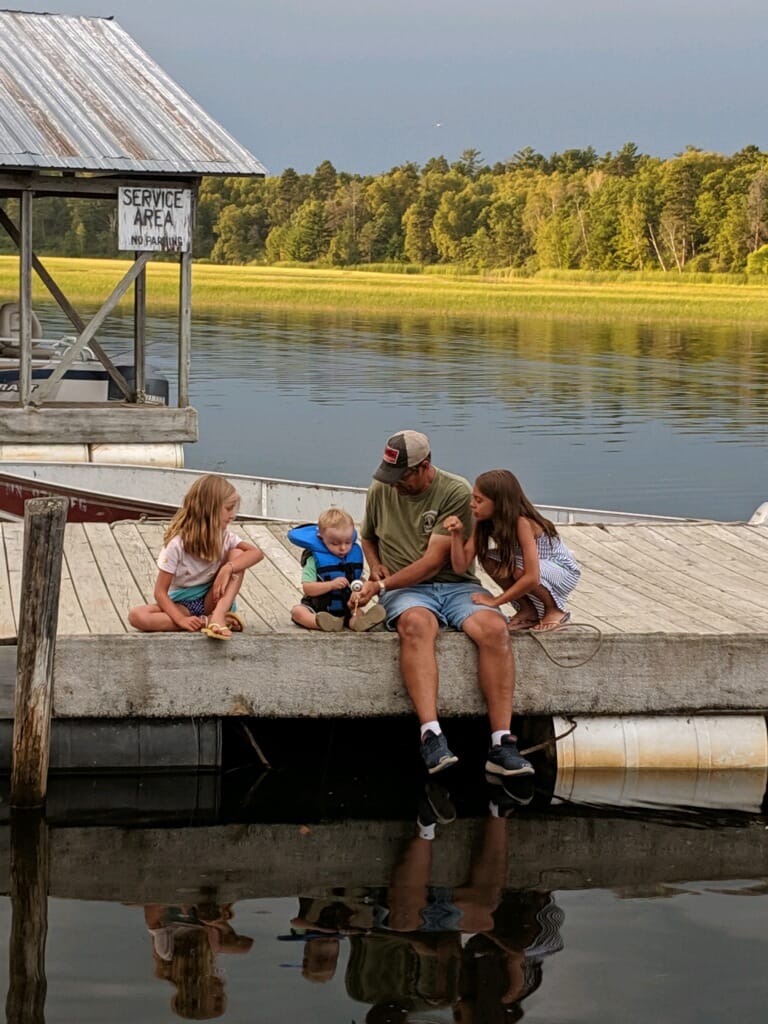
There are plenty of ways to describe summer at Four Seasons Resort on Lake Winnie—but our guests do a much better job of it with their cameras.

This summer’s photo submissions captured the things that make a trip to the lake memorable: big catches, little catches, kids learning to fish, sunsets that stop you in your tracks, quiet evenings at the docks, and those perfectly ordinary moments that somehow become the ones you remember years later.

The Fish Stories Are Better With Evidence 🎣
Of course, this is Lake Winnie. There were fish.

Some were impressive. Some were… enthusiastically celebrated. And frankly, we think a fish counts as a trophy whenever the person holding it thinks it does.

Our guests sent in photos from beautiful sunny days and the kind of chilly, choppy Minnesota days when you put on another layer and go fishing anyway.

That’s part of the fun.

The Lake Stole the Show, Too 🌅
Not every favorite photo had someone holding a fishing rod.

We received beautiful shots of Lake Winnie after dark, glowing sunsets reflected across the water, peaceful mornings, and views from around the resort that remind us why people keep coming back to this particular corner of Minnesota.

Sometimes the best part of the day happens after the boat is tied up.

The Best Photos Aren’t Always the Perfect Ones
That might be our favorite thing about these submissions.

They aren't staged resort photography. They're your summer.

A kid grinning over a tiny fish. A proud catch held up for the camera. A sky that looked too good not to photograph. A familiar view you wanted to take home with you.

Those pictures tell the story of Four Seasons better than any brochure could.

Thanks for Sharing Your Summer With Us ❤️
A big thank-you to everyone who submitted photos this year. We love seeing Four Seasons and Lake Winnie through your eyes—and we're pretty sure there are a few photos here that will still be bringing back stories around the dinner table years from now.

Take a look through this summer’s submissions below.

And next time you're at Four Seasons, keep your camera handy.
​

You never know when the fish, the sunset—or the people you're with—will give you a moment worth saving.
Comments

The Ultimate Family Getaway  Fishing at Lake Winnibigoshish

6/17/2026

Comments

 
The Ultimate Family Getaway  Fishing at Lake Winnibigoshish
There is a unique joy that appears when you leave the digital distractions behind and head north. The air smells fresher, the lakes look grander, and the days slow down just enough for you to catch your breath. Welcome to Lake Winnibigoshish affectionately known to generations of anglers and adventurers as Big Winnie. If you are searching for the perfect blend of untamed wilderness and modern comfort for your next family vacation, Big Winnie delivers an unforgettable experience.

A Historic Wilderness with Modern Comforts

What makes Lake Winnibigoshish so special is its untouched beauty. With very little inhabited shoreline, launching a boat onto Big Winnie feels like stepping back in time. It gives you a true feeling of yesteryear, where nature takes center stage and the horizon stretches out uninterrupted. But don't let the word "wilderness" fool you. At Four Seasons Resorts, you get the best of both worlds  the rugged beauty of a pristine lake and the modern amenities your family needs to feel right at home.

Built by Families, For Families

At the heart of the Four Seasons Resorts experience is a simple philosophy  we are operated for families, by families. We know what it takes to make a family vacation seamless because we live it every day. We understand that a great trip means having space for the kids to explore, cozy cabins to gather in at night, and helpful advice on hand whenever you need it. Because we are family owned, we treat our guests like extended family. From the moment you arrive, you’ll feel the warmth, hospitality, and dedication that only a family run resort can provide. "Once you have experienced the magic of Big Winnie, it becomes a tradition. Our goal is to help you create memories that will make you want to rediscover this lake year after year."

A Year Round, World Class Fishery

You can't talk about Big Winnie without talking about the fishing! Renowned as a premier year round fishery, these waters offer outdoor opportunities that are truly second to none. Whether you are teaching your child how to bait their very first hook or chasing a personal best, the lake is teeming with life. Families return every season to target Big Winnie’s famous species
Walleye  The pride of Minnesota waters, perfect for an evening shore lunch.
Northern Pike  Known for putting up a thrilling fight for anglers of all ages.
Perch  Plentiful and action packed, keeping the kids entertained for hours.
Musky  The ultimate challenge for those looking to land a legendary monster.
Whether you are visiting during the warm, sunny days of summer or planning a cozy winter ice fishing trip, the lake always has something to offer.

Start Your Family Tradition Today

Big Winnie is more than just a place on a map it’s a backdrop for family adventures, late night campfire stories, and the kind of fishing tales that get passed down for generations. Let our family host yours. Pack your tackle box, gather the kids, and get ready to experience the timeless charm of Lake Winnibigoshish at Four Seasons Resorts.
​Book Your Big Winnie Family Vacation Today!

Comments

How Poor Off-Season Storage Destroys Expensive Fishing Gear

4/18/2025

Comments

 
Discover how poor off-season storage can ruin your expensive fishing gear and learn how to protect it year-round with smart storage tips.
Three lines of brass and black fishing reel
Fishing gear isn’t just a collection of tools—it’s an investment. It represents years of carefully chosen rods, reels, tackle, and accessories for many anglers. However, even high-end equipment can be damaged if not stored properly during the off-season. It’s easy to toss things into a garage, basement, or storage unit and forget about them until spring. Unfortunately, this kind of neglect can have devastating consequences. Let’s examine how poor off-season storage can destroy your expensive fishing gear and, more importantly, how you can protect it. With the right approach, you’ll extend the life of your equipment and keep everything ready for your next adventure on the water.

Why Off-Season Storage Matters More Than You Think

Many people are eager to pursue other hobbies when the fishing season winds down. But that shift in focus can lead to careless storage habits. Fishing gear is more delicate than it seems. Moisture, temperature swings, pests, and disorganization threaten its condition. Proper off-season storage ensures that your gear stays in great shape so you're not stuck with unexpected repairs or replacements come spring.

The Hidden Costs of Neglecting Your Equipment

What starts as a small oversight, like putting away a rod without wiping it down, can quickly become a bigger problem. Poor storage practices result in corrosion, mold, and even warped components. Replacing a single premium reel or rod could cost hundreds of dollars, and damaged tackle often means lost fish and wasted trips. Investing a little time now can save you much money and frustration later.

Coins on a black surface
There are hidden costs to neglecting your expensive fishing gear.
How Moisture Wreaks Havoc on Expensive Fishing Gear

Moisture is one of the biggest enemies of fishing equipment. It can slip into your tackle boxes, sneak into reel bearings, or cling to the guides of your rods. If left unchecked, moisture creates the perfect environment for rust and corrosion. Once these take hold, they’re tough to reverse. This is especially dangerous if you store gear in a damp basement or uninsulated garage where humidity levels spike during winter.

To combat moisture, always dry your gear thoroughly before storage. Use silica gel packets or moisture absorbers in your tackle bags or storage bins. Even wiping down every metal surface with a light coat of oil or protectant can act as a barrier against corrosion.

Temperature Fluctuations and Their Impact

Extreme temperatures and constant fluctuations are also damaging. Cold weather can make plastic brittle, weaken rubber seals, and affect the lubricants inside your reels. Storing your gear in a place that swings between freezing and thawing isn't ideal. If possible, choose a temperature-controlled environment. Insulate your storage containers to buffer against the worst extremes if that's not an option.

The Trouble with Tossing Everything Together

It’s tempting to bundle your rods, throw reels into a box, and cram all your tackle into one giant container, but this chaos can lead to damage. Rods stored under tension or stacked under weight can warp or snap. Reels tossed together can get scratched or banged up. Hooks, weights, and lures get tangled, bent, or broken. And if you’re trying to remember where that one lure is next season, disorganized storage will only lead to frustration.

Take the time to store each piece of gear carefully. Use rod tubes or wall mounts for rods. Keep reels in padded cases. Sort lures and tackle into clear, labeled boxes. When everything has a proper place, it’s much easier to spot if something is missing or needs repair.

How to Clean Gear Before Storing It

One of the best things you can do is clean your gear before storing it for the season. Saltwater gear should be rinsed thoroughly with fresh water to remove salt residue. Rods should be wiped down to remove dirt and grime. Reels need a little more attention—clean the outside, then open them up if you’re comfortable, and lightly lubricate the gears and bearings.

Don’t forget your tackle. Dry out soft plastics, clean hooks with an anti-rust solution, and sharpen anything that looks dull. A quick cleanup now can prevent months of slow decay.

Rods and Reels: Long-Term Storage Tips

Rods and reels require different types of attention. They should be stored vertically whenever possible and without pressure on the tips. If you must lay them flat, don’t stack anything on top. Loosen drag settings on reels and, if you're storing them attached to rods, avoid hanging them where the reel bears all the weight.

It’s also a good idea to back off tension on fishing lines or even remove the line entirely if it's monofilament, which tends to degrade over time. Store reels in a dry container or cloth bag and label them to keep things organized.

Signs Your Gear Was Damaged During Storage

Sometimes, the damage isn’t immediately obvious. You might not notice a problem until you're casting out and something feels off. Warped rod guides, stiff reel handles, rust on hooks, and brittle lines are all signs that your gear suffered over the winter. Watch for musty smells, sticky tackle, or discoloration on metal parts. The earlier you catch an issue, the better your chances of fixing it before it ruins a fishing trip.

The Role of Pests in Gear Damage

Pests can be surprisingly destructive. Rod handles made from cork or foam can attract rodents. Soft plastics may be chewed up or carried off entirely. Even tackle boxes can become homes for insects if traces of bait or fish oils are left behind. Sealing your gear tightly and keeping it clean are essential pest-prevention measures. Avoid storing gear on the floor of sheds or basements, and check it periodically to catch any unwanted visitors early.

A stink bug on a piece of fabric
Pests can be surprisingly destructive. Rod handles made from cork or foam can attract rodents.
Make Your Unit Accessible with Smart Organization

If you use a storage unit for your fishing gear, it’s important to know how to organize your storage unit for easy access. Arrange gear based on when you’ll need it to make your unit accessible. Store off-season items in the back and essentials closer to the front. Use vertical shelving to keep bins and boxes off the ground. Clear containers or labeled boxes will help you find what you need at a glance.

Create designated spots for rods, reels, tackle, apparel, and tools. This way, when spring rolls around, you won’t waste time digging through piles or wondering where your favorite crankbait disappeared. A smart organization isn’t just about tidiness—it’s about making your life easier.

Planning Ahead for Next Off-Season

As the season winds down, think about how you’ll store your gear before it becomes an afterthought. Having a system in place makes cleanup and storage much easier. Keep storage supplies handy, from soft cloths to lubricant, storage bins, and desiccant packs. When you return to the water, the more proactive you are, the better your gear will look—and perform.

If your home storage space is limited, consider investing in a climate-controlled storage unit. The cost of replacing high-end gear every few seasons is worth considering.

Conclusion: Treat Your Gear Like It Deserves

Fishing is more than just a hobby—it’s a passion. The expensive fishing gear you use reflects your dedication, and it deserves the same care in the off-season as it gets during the height of summer. Poor storage can quietly destroy even the best equipment, turning a relaxing spring day on the lake into a stressful reminder of what went wrong.

With a little preparation and attention, you can store your fishing gear in a way that protects it from the elements, pests, and time. Make smart choices, keep your space clean, and make your unit accessible when storing items away. That way, your rods will stay strong, your reels will remain smooth, and your tackle will be just as sharp as your instincts when you’re back on the water.


Photos via:
Pexels
Pexels
Pexels

​
Comments

How to Predict Lake Winnie’s Fishing Conditions Without an App

2/24/2025

Comments

 
Learn how to predict Winnie's fishing conditions without an app by reading natural signs like weather, water temperature, and fish behavior.
Red, yellow, and black buoy on a body of water
Fishing at Lake Winnibigoshish, or Lake Winnie as locals call it, is a rewarding experience, but success often depends on understanding the lake’s conditions. While technology offers apps to analyze Winnie's fishing conditions, you don’t need digital tools to make an educated guess. By learning to read natural signs, you can predict when the fish will bite and improve your chances of a great catch.

Observing Water Temperature

Water temperature plays a crucial role in fish activity. Different species have preferred temperature ranges that influence their feeding habits. For instance, walleye are most active when the water is between 55 and 70 degrees Fahrenheit. You can measure the temperature using a simple thermometer or estimate it by feeling the water. Early in the season, shallow areas warm up first, attracting fish looking for food. During summer, fish tend to move to deeper, cooler waters.

Watching for Weather Patterns

Weather conditions can make or break a fishing trip. Fish are highly sensitive to atmospheric changes, particularly barometric pressure. Fish become more active when a low-pressure system moves in, especially before a storm. Clear skies and high pressure usually mean sluggish fish, making early morning and late evening the best times to cast your line. Wind direction also plays a part, pushing baitfish into certain areas drawing in larger predators.

Reading the Wind and Waves

Wind can be your ally if you know how to use it. On windy days, fish often gather along windblown shorelines where food collects. Choppy water reduces visibility, making fish less cautious and more likely to bite. A light breeze can be beneficial, while strong winds might make it difficult to control your boat. If the water is unusually still, fish may become wary and require a more strategic approach.

Tracking Seasonal Changes

The time of year heavily influences fish behavior. In spring, fish move to shallow waters to spawn, making them easier to catch. Summer pushes them into deeper areas, where they stay cool. Fall triggers aggressive feeding as fish prepare for winter, creating prime fishing conditions. Under-the-ice fishing requires a different approach in winter, but paying attention to ice thickness and oxygen levels can help you locate active fish.

Paying Attention to Bird Activity

Seagulls, loons, and other water birds are excellent indicators of fish activity. When birds dive into the water, it’s a sign that baitfish are present, which means larger fish aren’t far behind. If you notice birds circling a particular area, it’s worth dropping your line there. On the other hand, if the birds are scattered and inactive, the fish may be harder to find.
Two white seagulls on a rock
Bird’s activity can reveal Winnie’s fishing conditions.
Checking Water Clarity

​Water clarity affects which lures, and baits will work best. On clear days with high visibility, fish can be more cautious and require subtle, natural-looking bait. Murky water, often caused by recent rainfall or strong winds, makes fish rely more on their sense of vibration and smell, so brighter or noisier lures can increase your chances. Observing how far down you can see your lure gives you a good idea of your working conditions.

Listening for Local Knowledge

Local anglers and bait shop owners have invaluable insight into fishing conditions. They often know which areas produce the best catches and what bait works. Even if you fish regularly, speaking with others can provide fresh perspectives and tips that may improve your success. Keep an ear out for their observations on fish movement, depth preferences, and seasonal trends.

Feeling for Air Pressure Changes

Barometric pressure can indicate how fish will behave. Falling pressure, which happens before storms, makes fish more active. Rising pressure after a storm often slows them down. You can detect changes without a barometer by noticing how your body reacts. Many people experience slight headaches or joint discomfort when the pressure shifts, which can be a natural cue that fishing conditions are changing.

Handling Your Fishing Gear for Longevity

When preparing your fishing gear for a long-haul move to Lake Winnie, ensuring the safety of fragile items like rods, reels, and lures is crucial. Properly packing delicate items can prevent tangles, breakage, and other damage during transportation. Therefore, gather essential packing supplies, such as rod cases, bubble wrap, and sturdy boxes. Wrap reels in soft cloth for added protection, and secure lures in tackle boxes to keep them from shifting. Label everything clearly for easy unpacking, and consider hiring professionals who specialize in moving sporting equipment to ensure your gear arrives safely at your destination.

Understanding the Moon Phases

The moon affects fish behavior, particularly when it comes to feeding patterns. Many anglers swear by fishing during full and new moons when tides and water movement are strongest. While ocean tides don’t directly influence Lake Winnie, the gravitational pull still plays a role. Fish tend to feed more actively during these phases, making them great times to plan a trip.
A photo of a moon
The moon affects fish behavior, particularly regarding feeding patterns.
Learning Winnie's Fishing Conditions

Predicting Lake Winnie’s fishing conditions without an app is about observing nature and learning how fish respond to their environment. By paying attention to water temperature, weather patterns, wind direction, and seasonal changes, you can make informed decisions that increase your chances of landing a great catch. Local knowledge, bird activity, water clarity, and moon phases provide valuable insights. With practice and patience, you can develop an instinct for reading the lake, allowing you to fish successfully without needing a digital tool. So grab your gear, head to the water, and put these skills to the test.

Photos via: 
Pexels
Pexels
Pexels
Comments
<<Previous
    Picture
    Book Now

    Fishing

    All
    Angler Tips
    Cabin Vacation
    Fall Album
    Family Bonding
    Family Getaways
    Family Operated
    Family Resort
    Family Vacation
    Fishing Adventures
    Fishing Philosophy
    Fishing Report
    Fishing Tips
    Four Seasons Resort
    Freshwater Fishing
    Hiking Tips
    Ice Fishing
    Kid Friendly
    Lake Winnibigoshish
    Lake Winnie Fishing
    Lake Winnie Memories
    Minnesota Lakes
    Minnesota Seasons
    Nature Retreats
    Nature Trails
    Outdoor Activities
    Outdoor Sports
    Perch Fishing
    Pike Fishing
    Recreational Fishing
    Relaxation Retreats
    Resort Activities
    Resort Living
    Reviews
    Seasonal Activities
    Summer Album
    Visitor Tips
    Walleye Fishing
    Wellness Retreats
    Winter Album
    Year Round Vacations

    Picture

    RSS Feed

Picture

Four Seasons Resort
(218) 665-2231

952 River Drive NW
Bena, MN 56626

​WE DO NOT ALLOW PETS

For the safety and comfort of all guests, pets are not permitted in any of our cabins. However, we do allow pets in our RV Park for our RV guests. We appreciate your understanding and cooperation in maintaining a welcoming environment for everyone.
Picture
© COPYRIGHT 2019-2024. ALL RIGHTS RESERVED.
ADA Compliance | Minnesota Web Design
  • Cabins
  • Things to Do
  • Memories
  • Book Now
  • Contact