• Cabins
  • Things to Do
  • Memories
  • Book Now
  • Contact
Four Seasons Resort | Lake Winnie Fishing Resort Minnesota
  • Cabins
  • Things to Do
  • Memories
  • Book Now
  • Contact

Big Winnie Vacations: Family Adventures and Fishing Tales

Lake Winnibigoshish (Big Winnie) is world famous for its outdoor opportunities. Fishing is second to none on this year-round fishery. Walleye, Northern, Perch, and Musky all inhabit these waters.

If wilderness in a modern setting is what you are looking for, Winnie delivers. The lake has very little inhabited shoreline which give one a feeling of yesteryear. Once you have experienced the lake you will want to rediscover it year after year.
Get your Fishing License

Freshwater vs. Saltwater: Moving Between Fishing Worlds

10/7/2025

Comments

 
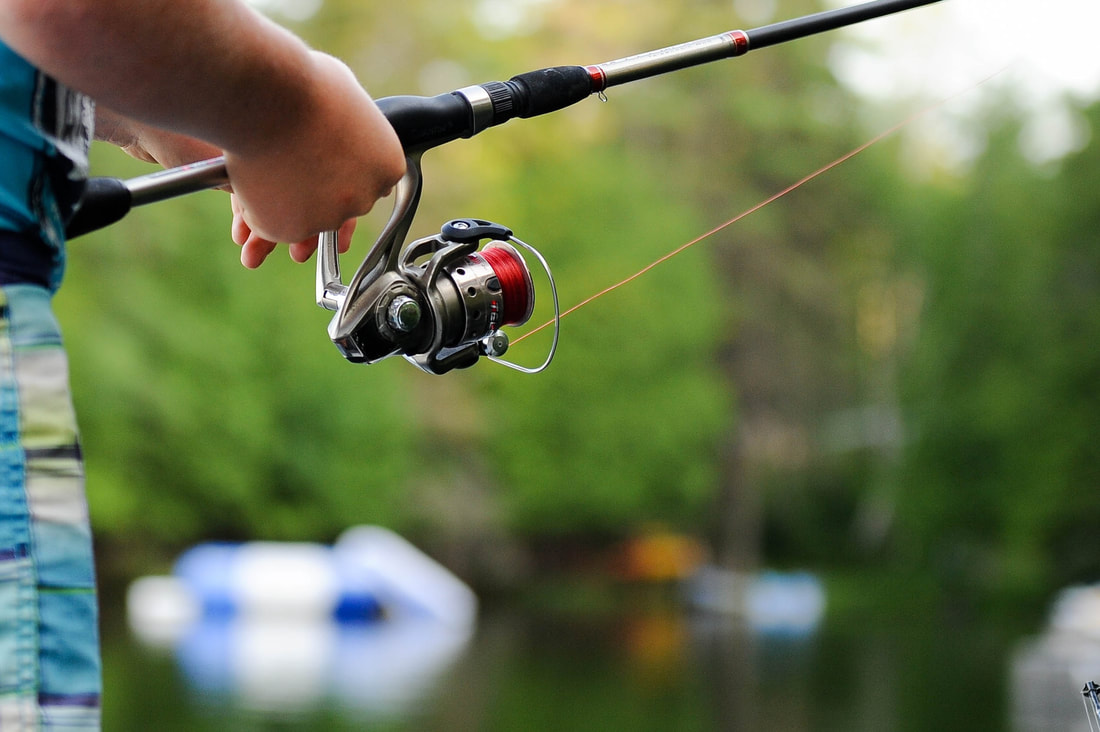
A man fishing on a lake, with a fishing rod.
Fishing is one of those silent sports that brings people closer to nature and offers a sense of peace that few pastimes can match. When anglers look at freshwater vs. saltwater, the choice is not only about water type but also about the experience that comes with it. Each setting holds unique conditions, species, and challenges. Understanding these contrasts helps you prepare for smooth transitions and memorable trips.

Basic Differences in Environment

Freshwater usually means rivers, lakes, and ponds with steady conditions. Saltwater means oceans and coastal inlets where tides and currents shape every outing. Salinity changes how gear holds up and how fish behave. Temperature ranges also affect oxygen levels and fish movement. Knowing these distinctions helps you read the water better and react in real time

Gear and Tackle: What Change

Freshwater gear focuses on light to medium action rods and reels. Line strength is lighter, and lures often mimic insects or small baitfish. Saltwater requires stronger rods, reels with sealed drag systems, and line that resists abrasion. Lures need to withstand tough bites and salt corrosion. Always rinse and dry saltwater gear to keep it ready for the next trip.

Packing, Planning, and Logistic

Trips often involve hauling gear over long distances. Planning prevents wasted time and damaged tools. Packing for short-term vs long-term storage raises questions about how much to bring and how to protect it. In both cases, make sure you do it right by using sealed containers, moisture protection, and smart layouts. Think about transportation as well, since boats, trucks, or flights may add weight limits and space constraints. A careful approach to logistics makes each journey smoother.

Species and Behavior

Freshwater fish such as bass, pike, or trout feed in lakes and streams with predictable patterns. Saltwater fish like redfish, snapper, or tarpon rely on tides, currents, and bait schools. The energy level of saltwater fish is usually higher, which makes the fight more intense. Freshwater vs. saltwater species also differ in growth size, with many saltwater fish growing to massive weights. Anglers must adapt their strategies based on the fish they chase and the local fishing conditions.

Challenges in Transitioning

Switching from freshwater to saltwater or the other way around takes more than a change of scenery. It’s a change of fishing philosophy and your whole approach to the sport. Salt eats away at unprotected gear if not cleaned. Freshwater trips require lighter presentations that demand finesse. Regulations differ across states and countries, and licenses often change when moving between environments. These practical hurdles highlight why planning matters before you make the jump.

Best Practices for Switching

Start by fishing inshore saltwater areas or large freshwater lakes with diverse habitats. Test your gear in smaller sessions and increase time once you are comfortable. Join local fishing groups or charter a guide who knows the waters. These steps help you learn faster and avoid costly mistakes. Freshwater vs. saltwater fishing becomes less daunting when you build skills step by step.

Gear Care and Maintenance

Salt crystals can destroy reels and rods if left unchecked. Always rinse equipment with fresh water after saltwater outings. Dry completely before storage and add light lubrication where needed. Freshwater gear may not need as much cleaning, but mud and algae still cause wear. Maintenance habits protect your investment and ensure long-lasting performance.

Real-Life Stories and Lessons

Many anglers recall their first saltwater trip after years of freshwater fishing. The change in current strength, wave action, and fish power often surprises them. On the other side, saltwater anglers moving into freshwater must learn patience and finesse to land wary trout or bass. These personal experiences underline the importance of adaptability and open-minded learning.

Seasonal Factors to Consider

Seasons strongly influence fishing outcomes. Freshwater fishing often peaks in spring and fall when temperatures moderate and fish feed actively. Saltwater success shifts with tide schedules, migration runs, and storm patterns. Weather forecasting becomes crucial in coastal regions where conditions shift fast. Understanding these cycles ensures better chances of success across both settings.

Safety on the Water

Saltwater fishing usually means larger boats, stronger waves, and offshore travel. Safety gear like life jackets, radios, and emergency kits becomes essential. Freshwater fishing may seem safer, yet strong river currents or thin lake ice create real risks. Anglers must respect both environments. Knowledge of hazards and preparation can turn potential dangers into manageable risks.

Cost and Accessibility

Freshwater fishing is often cheaper and more accessible since lakes and rivers exist near most towns. Entry costs stay low with simple gear and affordable licenses. Saltwater fishing requires higher investment in boats, gear upgrades, and charter trips. Maintenance costs add up due to salt corrosion. Budgeting for both realities allows you to enjoy fishing without financial strain.

Building Community Connections

Fishing communities exist in both freshwater and saltwater regions. Local bait shops, marinas, and forums provide a wealth of shared knowledge. Joining events or tournaments builds networks and improves skills. Freshwater vs. saltwater groups may focus on different species, yet both thrive on camaraderie and respect for the resource. Being part of a community adds depth to the fishing lifestyle.

Conservation and Respect for Nature

Both types of fishing demand care for the environment. Freshwater lakes need protection from pollution and invasive species. Saltwater requires respect for coral reefs, seagrass beds, and marine habitats. Catch-and-release, size limits, and ethical handling protect populations for the next generation. Responsible fishing secures long-term enjoyment for all anglers.

Summary and Action Steps

Anglers weighing freshwater vs. saltwater should look at environment, gear, species, and personal goals. Both paths deliver rewards if approached with preparation. Create a checklist for gear, research local regulations, and clean equipment after every trip. Build connections with local guides and anglers who know the waters. The choice between freshwater and saltwater does not have to be permanent. By trying both, you gain skills that enrich every future trip.
Comments

The Art of Seasonal Relocation for Serious Anglers

9/8/2025

Comments

 
Two guys fishing
​Seasonal relocation for serious anglers can transform fishing success. Moving with fish migration increases chances of bigger and more varied catches. It requires planning, observation, and awareness of local rules. As a matter of fact, anglers who relocate seasonally often enjoy more consistent results than those who stay in one spot. Costs, travel logistics, and gear adaptation are challenges, yet the rewards outweigh them. Seasonal relocation allows access to the best fishing waters year-round.

Tracking Fish Migration Patterns Like a Pro
Understanding fish migration is crucial for success. Fish move based on water temperature, food availability, and spawning cycles. Freshwater and saltwater species act differently during seasonal changes. Local fishing reports, guides, and satellite tools provide current insights. Besides, natural signs like baitfish activity, water clarity, or insect hatches can reveal the best fishing times. Timing is critical. Arriving too early or too late often reduces success. With this in mind, monitoring migration patterns helps anglers fish at peak moments.

Studying long-term trends and regional fishing regulations will give you an edge. Trout often shift to deeper pools in summer but seek shallow streams in cooler months. Saltwater species like striped bass migrate along coastlines with temperature shifts. Observing patterns for several years allows anglers to anticipate fish movement. In short, patience and observation improve fishing outcomes significantly.

The Art of Choosing Seasonal Fishing Destinations
Not every location produces excellent results year-round. Alaska offers summer salmon runs, while Florida shines in spring for tarpon. The Great Lakes are ideal for walleye and northern pike in cooler months. As an illustration, anglers must weigh climate, water temperature, and accessibility when picking destinations. Well-known spots may require reservations, while hidden gems often provide better solitude and bigger fish. Balancing convenience with opportunity is essential.
​
Legal and environmental considerations matter as well. States and regions have specific fishing licenses, seasonal restrictions, and protected zones. Another key point is reviewing these regulations before traveling. Following local rules ensures ethical fishing and avoids penalties. Sustainable practices also protect habitats for future seasons.
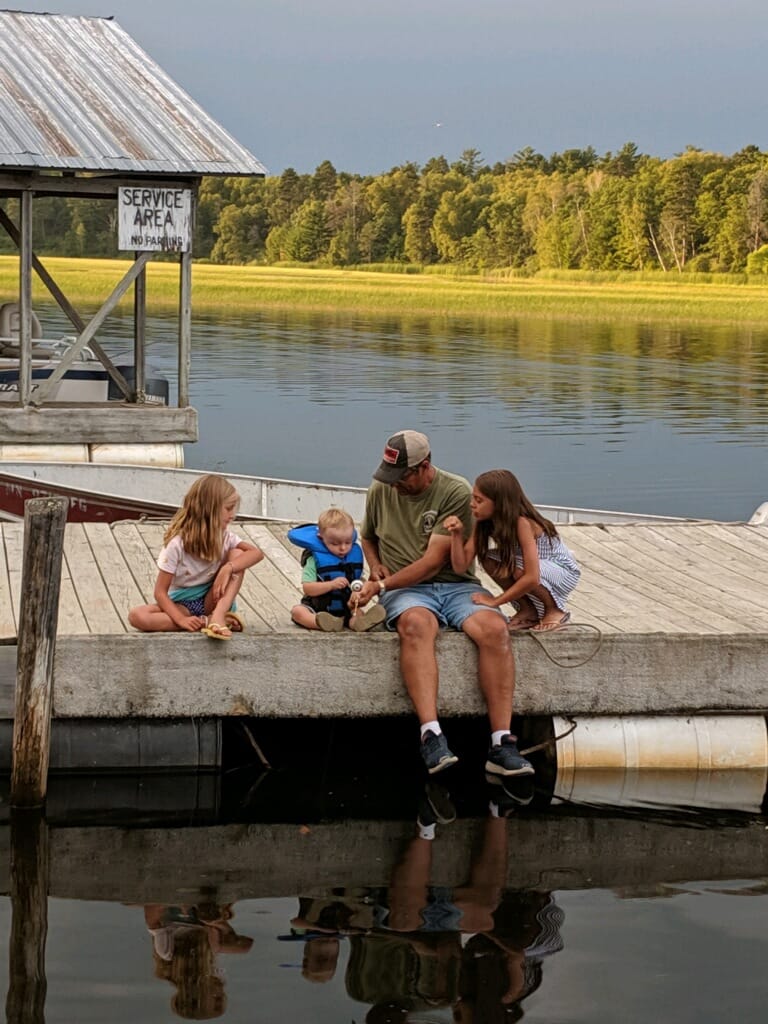
Boy Fishing on Lake Winnie
Seasonal relocation for serious anglers improves opportunities, skill, and overall success
​Smart Storage Solutions for Seasonal Relocation
Managing gear and personal belongings is a challenge during seasonal relocation. Anglers often accumulate bulky equipment, clothing for different climates, and supplies. That is why extra space for the time being can make transitions smoother and reduce clutter in temporary accommodations. Having a dedicated storage solution ensures everything remains safe and organized while traveling. Benefits of renting short-term storage units are significant. They provide secure locations for boats, tackle, and seasonal gear. Anglers can access their items whenever needed without overpacking vehicles. As a matter of fact, short-term units offer flexibility, letting anglers move quickly between destinations. This convenience complements seasonal relocation for serious anglers who travel frequently.

Storage units also protect gear from environmental damage. Moisture, pests, and temperature fluctuations can ruin equipment if left in cars or open spaces. Besides, keeping extra gear stored reduces stress and prevents unnecessary replacements. For anglers relocating seasonally, a reliable storage plan is essential for efficiency and peace of mind.

Essential Gear Adjustments for Seasonal Relocation
Gear needs change with location and weather. Cold-weather fishing requires insulated clothing, ice-rated gear, and heavy-duty tackle. Warm climates need breathable clothing, sun protection, and corrosion-resistant rods. Besides, packing portable, lightweight equipment eases travel and prevents damage. Waterproof containers and compact fishing storage keep gear organized during extended trips. Adapting tackle to local rules avoids fines and ensures responsible fishing.

Regular gear maintenance is another key point. Saltwater can corrode rods and reels if not cleaned properly. Freshwater trips may demand sharper hooks and lighter lines. As a matter of fact, checking equipment before moving ensures smooth fishing experiences. Carrying versatile gear allows quick adaptation to changing conditions.

Budgeting Smart for Seasonal Relocation for Serious Anglers
Costs include travel, lodging, permits, and supplies. Airfare or fuel, RV rentals, and cabin stays can add up. With this in mind, plan a detailed budget to prevent surprises. Long-term rentals, shared cabins, or RV travel can reduce lodging expenses. Hidden costs like guide fees, licenses, and equipment replacement often catch anglers off guard. Effective budgeting keeps trips stress-free.
​
Tracking expenses also helps identify savings. Booking off-season accommodations or traveling in small groups can lower costs. Similarly, buying or renting gear locally reduces transport fees. Budget planning ensures anglers enjoy relocation without compromising fishing quality.
Man fishing on Minnesota Lake
Cold-weather fishing requires insulated clothing, ice-rated gear, and heavy-duty tackle
​Networking with Local Anglers and Guides
Local anglers know the current conditions, productive spots, and seasonal trends. As a matter of fact, networking increases success rates and provides insider knowledge. Joining fishing clubs or hiring guides connects newcomers with experienced professionals. Online forums and social media groups keep anglers updated on fish movement. Besides, connecting with locals enhances the social aspect of fishing and helps build lasting relationships.

Networking also improves learning. Local anglers often share tips on gear, techniques, and timing. Asking questions about hidden spots or unusual patterns can dramatically improve catches. In contrast, traveling alone without local knowledge can limit success.

Health and Safety in Seasonal Relocation
Fishing in different climates demands preparation. Cold regions require layers, hats, and gloves. Warm climates need hydration, sunscreen, and insect protection. Not to mention, travel insurance and first-aid kits are essential. Emergency planning ensures anglers handle unexpected situations efficiently.

Food and water safety is also vital. Carry clean drinking water and store perishables properly. Besides, checking weather forecasts prevents dangerous conditions. Safety awareness allows anglers to focus on fishing without unnecessary risks.

Balancing Family, Work, and Seasonal Fishing LifeSeasonal relocation can affect family life and work commitments. Flexible work arrangements make long trips feasible. Planning right destinations allows anglers to include their fishing friends and loved ones. In contrast, solo relocation can provide freedom but requires extra preparation. Balancing lifestyle and fishing ensures long-term enjoyment. Maintaining routines and schedules during relocation prevents stress and fatigue.

Sustainability and Respect for Local Ecosystems
Fishing responsibly protects water systems and fish populations. Observe catch limits and follow local rules. Not to mention, avoid disturbing vegetation and wildlife. Supporting local conservation programs ensures fishing areas remain productive. Ethical practices maintain fish populations for future anglers.

Anglers should also minimize waste. Pack out trash, use reusable containers, and avoid harmful chemicals. Besides, teaching others about conservation spreads awareness and encourages responsible behavior. Sustainability secures a healthy environment for years to come.
Man holding a fishing rod
Fishing responsibly protects water systems and fish populations
Mastering the Seasonal Relocation Lifestyle
Seasonal relocation for serious anglers improves opportunities, skill, and overall success. In short, planning, timing, and local knowledge are essential. Adapting gear, budgeting, and networking ensures smooth experiences. Following ethical and sustainable practices preserves ecosystems. Hence, anglers who embrace relocation enjoy bigger catches and lasting memories. Thoughtful planning, flexibility, and respect for nature make seasonal relocation a rewarding lifestyle.
Comments

How Anglers Use Fishing to Make New Friends After a Move

8/14/2025

Comments

 
Two men in brown jackets holding fishing rods
Moving to a new place comes with a mix of emotions—excitement, nervousness, and often a lingering sense of loneliness. It takes time to build a new social circle, especially when you're not sure where to start. For many people, especially those who love the outdoors, fishing becomes more than just a relaxing pastime—it’s a way to connect with others. Many anglers use fishing to make new friends in their new communities. Whether you're casting your first line in a new lake or chatting with a fellow angler on the dock, fishing offers opportunities to make genuine connections. In this article, we’ll explore how anglers use their love of fishing to meet new people, create friendships, and feel at home after a move.

How Anglers Use Fishing to Make New Friends: Fishing as a Common Ground
One of the best parts about fishing is that it instantly creates a shared interest. You don’t have to be a professional angler to strike up a conversation about local hotspots or favorite bait. If you’re new in town, heading to a popular fishing spot can introduce you to people who share the same philosophy and speak the same language of lures, rods, and patience. That natural connection makes it easier to start conversations, break the ice, and form relationships.

Local Fishing Spots Become Social Hubs
Most towns with lakes, rivers, or coastline will have designated fishing areas that are buzzing with activity during the right seasons. These places aren’t just for catching fish—they’re local hangouts where stories are swapped, techniques are shared, and friendships are formed. Hanging around the pier or boat ramp can quickly turn into a friendly chat, a shared sandwich, or an invitation to join a weekend fishing trip. The relaxed environment lowers social pressure and encourages easy interaction.

Joining Local Fishing Clubs
Fishing clubs can be found in almost every region, from small-town gatherings to well-organized associations. They offer a great way to get involved in the local scene after relocating. These clubs often host regular meetups, tournaments, and social events that bring people together through a shared love of fishing. It’s no surprise that many anglers use fishing to make new friends in these settings, forming connections over shared experiences on the water. Newcomers are typically welcomed with open arms, especially if they show genuine interest. Whether you're experienced or just starting, your enthusiasm is often enough to earn you a spot in the community.

Bait Shops and Gear Stores as Conversation Starters
If you’re looking for friends who fish, start where anglers go—the local bait and tackle shop. These small businesses often serve as informal community centers. People stop in not just to buy gear, but to chat about fishing conditions. They also compare equipment and swap stories. The employees and regular customers usually have deep knowledge of the area’s fishing scene. They might even invite you to tag along on a group outing. A simple “What’s been biting lately?” can lead to a genuine connection.
Six assorted fishing rods
These small businesses often serve as informal community centers and are a good example of how anglers use fishing to make new friends.
From Fishing Buddies to Lifelong Friends
Packing up your life and moving closer to your favorite fishing spot can be a challenge—especially when moving with fragile items like fishing gear. Rods, reels, and tackle boxes require special care. You need to gather the right packing materials, secure each item properly, and label boxes so they’re handled gently during transport. It's a process that takes time and attention, adding another layer of stress to an already busy time.

But even in the middle of that transition, fishing can offer more than just a break—it can open the door to real connection. What begins as casual chats on the water often turns into lasting friendships. Swapping gear tips can lead to weekend barbecues, help with home projects, or shared family outings. The calm setting of a lake encourages unhurried conversations that naturally build trust. So, as you're navigating your move and adjusting to new surroundings, reconnecting with the water might be exactly what you need—and a great way to find community again.

Fishing Tournaments and Community Events
Participating in local fishing tournaments can be both exciting and social. Whether you're competing or just spectating, events like these bring together people of all skill levels. Even if you don't win a prize, you might walk away with new friendships. These gatherings are full of energy, laughter, and teamwork. They’re also ideal for discovering others who are in a similar life stage—newcomers, retirees, or people looking to expand their circle.

Fishing as a Family-Friendly Activity
If you moved with your family, fishing can help not just you, but your partner and children, and make new connections. Many communities offer family-friendly fishing days or kid-oriented lessons, where families come together to learn and relax. Your kids might meet new playmates, and you might meet other parents who are also seeking friendship. It’s a laid-back setting where relationships can grow naturally.
Men sitting on the shore with the one in the middle holding a fish
Many communities offer family-friendly fishing days or kid-oriented lessons.
Online Forums and Social Media Groups for Local Anglers
Not every fishing friendship begins on the water. Many anglers connect first online through local forums or Facebook groups before meeting in person. These digital communities are especially helpful after a move. A quick post asking about local fishing spots or looking for a fishing buddy can lead to invites, advice, and even long-term friendships. It’s an easy, low-risk way to find others who share your interests before you step out with your gear.

Building Trust Through Shared Experiences
Fishing requires patience, cooperation, and sometimes teamwork—qualities that are also essential for building trust. Sharing a boat, organizing a bonfire night, swapping stories while waiting for a bite, or helping someone land a big catch creates moments of connection. These shared experiences forge bonds that feel more meaningful than a quick conversation at a coffee shop. You’re not just talking—you’re doing something together, which often builds deeper relationships over time.

Learning the Local Waters Together
If you’re new to the area, chances are you’ll also be unfamiliar with the local waters. That offers another opportunity to build friendships. Many seasoned local anglers are happy to show new residents the ropes, from secret spots to seasonal tricks. On the flip side, teaming up with other newcomers to explore unfamiliar lakes or rivers together can be just as rewarding. The act of learning side by side creates a sense of camaraderie and shared growth.

Casting Lines and Building Friendships
Making friends after a move can be challenging, but fishing turns that challenge into a relaxing, rewarding opportunity. It doesn’t matter if you’re an experienced angler or just learning how to bait a hook. Simply heading to the water opens the door to meaningful connections. Fishing creates an environment where people naturally come together. Over time, those moments of connection grow into real friendships. So the next time you feel a little lost after a move, grab your rod. Find a quiet spot. Cast your line—not just for fish, but for friendship. It's easy to see why so many anglers use fishing to make new friends, turning quiet mornings on the water into lasting bonds.
 

Images used:
https://www.pexels.com/photo/2-men-in-brown-jacket-holding-blue-and-black-sticks-4830398/
https://www.pexels.com/photo/fishing-fishing-tackle-fisherman-bait-2542/
https://www.pexels.com/photo/men-sitting-on-the-shore-5537867/

Comments

Smart Storage Hacks for Fishermen Living in Small Spaces

7/17/2025

Comments

 
Man fishing on a lake
Fishing gear takes up more space than most people expect—especially when you live in a tight home, apartment, or garage. In states like Colorado, where outdoor hobbies are common but facilities are scarce, it becomes even more of a challenge. Rods, reels, tackle boxes, and gear piles up fast.

That clutter slows you down, causes damage, and leads to lost equipment. You need smart storage hacks for fishermen that actually work—solutions that save space, protect your gear, and keep everything easy to find. In this guide, you’ll find real tips that solve storage problems, whether you live in a small house, camper, or a Denver apartment..

Think Vertical: Turn Walls Into Gear Storage Stations

Walls are usually ignored, but they hold a lot of storage potential. Use them. Mount pegboards to keep lures, scissors, pliers, and other small tools visible and easy to grab. Add hooks and clips for hanging items. Use magnetic strips for metal tools. They stick firmly and are always within reach.

Wall-mounted rod racks also make a big difference. Rods left leaning in corners get damaged. Hang them horizontally on the wall or even diagonally to save more space. Adjustable shelves help too. Stack your tackle boxes, boots, or bait containers neatly above the ground. As a matter of fact, every bit of vertical space can work in your favor.

Maximize the Hidden: Storage Under Beds, Benches, and Steps

When we talk about smart storage hacks for fishermen, we need to mention space you have underneath you. That space under your bed? Slide flat storage boxes filled with soft baits or spare reels there. A long, low bin with dividers works well for keeping things sorted. Choose clear bins so you can see inside.

Storage benches are a two-in-one solution. Sit on top, stash gear inside. Boats, trailers, and tiny homes often have stairs or raised platforms. Turn those into drawers. Install sliding tracks and turn dead space into useful compartments. Not to mention, this helps you stay organized without adding more shelves or clutter.
Man fishing in nature
You need smart storage hacks for fishermen that actually work, solutions that save space and protect your gear
Use Regional Climate to Guide Your Storage Choices
If you live in a place like Denver, you know how fast the weather can shift. One minute it’s dry and sunny, the next it's cold and wet. These changes can damage fishing gear if it's not stored properly. Moisture leads to rust. Dry air cracks plastic and rubber. That’s why it’s important to pick storage that fits your local conditions.
Start by sealing items in waterproof containers. Add moisture absorbers to prevent rust and mold. Store your gear off the ground, especially in garages or outdoor sheds. Insulate your storage if needed, especially in colder months.

Also, organize your storage unit based on what you use most often. Keep seasonal or rarely used gear toward the back. Put your most-used tools and tackle near the front. This saves time and frustration before each trip.

Label everything. Group your gear by type—rods, reels, lures, clothing. Use bins, drawers, and shelves to organize your storage unit in smart ways. This helps you keep everything in order, even in a cramped space or shared garage.

Hang It Up: Ceiling and Overhead Rack Storage
Look up. That space above your head has room to help. Mount ceiling racks in garages or sheds to hold rods flat. Keep them off the floor and out of harm’s way. Hanging hooks are great for drying rain gear, nets, and waders.

You can even run PVC tubing across ceiling joists to slide rods in safely. Of course, ceiling space works best for long gear like rods and nets. Just make sure it’s secure and not too low if you walk beneath it.

Repurpose Everyday Items for Tackle and Gear
There’s no need to buy fancy gear organizers. Look around your home for items that can work. Mason jars are perfect for storing small parts. Keep hooks, weights, swivels, and split rings sorted by type. Label the lids for quick grabs.

Portable file organizers make great bait storage. Fill each slot with soft plastics or spools of line. Old tool drawers are solid too. Line each tray with foam to hold lures and keep them from bouncing around. Besides, these repurposed items are often cheaper and already in your garage.
Red Yellow and Black Bouy on Body of Water during Daytime
Keep hooks, weights, swivels, and split rings sorted by type
Create a Mobile Fishing Station on Wheels
If you fish often, build a rolling storage cart. A utility cart with multiple shelves can hold your main gear. Set it near your door or dock and wheel it straight to your car.

Install PVC tubes on the side for rods. Use bins or drawers for tackle, pliers, sunscreen, and other quick-grab items. As an illustration, a mobile station keeps things grouped by trip type or season. No need to unpack and repack every time.

Dedicated Hooks, Holders, and Holsters for Safety and Order
Some tools need to stay put. Mount wall holsters for knives, cutters, or pliers. Keep them out of kids’ reach and ready for use. Use Velcro or bungee cords to strap rods against walls or ceilings.

Add rod holders under work tables or shelves. That way they’re out of sight but easy to reach. Another key point, these dedicated spots also reduce accidents. Stepping on a hook or cutting your hand on a blade is no joke.

Waterproof and Stackable Storage for Harsh Environments
If your storage is outside or in a shed, use waterproof bins. Stackable ones make the most of vertical space. Go for clear bins with strong lids to keep water and bugs out.

Use silica packs inside to control moisture. Rust destroys hooks and reels fast. Label every box and keep similar items together. With this in mind, choose bins that are tough, light, and easy to carry to your car or boat.

Digital Inventory: Know Where Everything Is
Even with great storage, you can forget where things are. Use a simple app to track your gear. Snap photos of your setup and gear locations. You’ll never waste time looking for that one lure again.

Create checklists. List what goes in each box. Update it after every trip. In short, a basic inventory saves money and prevents doubling up on items you already own. Tape a copy of each list to the bin it tracks.

Smart Storage Hacks for Fishermen That Actually Work
You don’t need a huge garage or boat to experience a fishing lifestyle. You can store you gear by using walls, ceilings, floors, and wheels to your advantage. Stack bins, label drawers, and mount hooks. Build mobile carts and turn stairs into drawers.

Use common items—file folders, jars, toolboxes—in new ways. Track your inventory with photos and lists. Hence, you save time, protect your investment, and keep your gear ready at all times.

Similarly, these hacks apply to campers, sheds, apartments, and boats. They’re practical, cheap, and proven to work in small spaces.
Person on White Boat Fishing on Body of Water
Well preserved gear will mean better fishing experience
Take Back Your Space—One Hack at a Time
Fishing should be fun, not frustrating. With these smart storage hacks for fishermen, you can clear clutter, save space, and protect your gear. These ideas work anywhere—garages, boats, tiny homes, even the back of a truck.

Start small. Try one or two hacks this week. Build from there. In contrast, leaving gear scattered leads to broken rods and wasted weekends. Take control of your space now. Your future self—and your gear—will thank you.

https://www.pexels.com/photo/photo-of-person-holding-fishing-rod-2473502/
https://www.pexels.com/photo/person-fishing-294674/
https://www.pexels.com/photo/red-yellow-and-black-bouy-on-body-of-water-during-daytime-190294/
https://www.pexels.com/photo/person-on-white-boat-fishing-on-body-of-water-1105386/

Comments
<<Previous
    Picture
    Book Now

    Fishing

    All
    Angler Tips
    Cabin Vacation
    Fall Album
    Family Bonding
    Family Getaways
    Family Operated
    Family Resort
    Family Vacation
    Fishing Adventures
    Fishing Philosophy
    Fishing Report
    Fishing Tips
    Four Seasons Resort
    Freshwater Fishing
    Hiking Tips
    Ice Fishing
    Kid Friendly
    Lake Winnibigoshish
    Lake Winnie Fishing
    Lake Winnie Memories
    Minnesota Lakes
    Minnesota Seasons
    Nature Retreats
    Nature Trails
    Outdoor Activities
    Outdoor Sports
    Perch Fishing
    Pike Fishing
    Recreational Fishing
    Relaxation Retreats
    Resort Activities
    Resort Living
    Reviews
    Seasonal Activities
    Summer Album
    Visitor Tips
    Walleye Fishing
    Wellness Retreats
    Winter Album
    Year Round Vacations

    Picture

    RSS Feed

Picture

Four Seasons Resort
(218) 665-2231

952 River Drive NW
Bena, MN 56626

​WE DO NOT ALLOW PETS

For the safety and comfort of all guests, pets are not permitted in any of our cabins. However, we do allow pets in our RV Park for our RV guests. We appreciate your understanding and cooperation in maintaining a welcoming environment for everyone.
Picture
© COPYRIGHT 2019-2024. ALL RIGHTS RESERVED.
ADA Compliance | Minnesota Web Design
  • Cabins
  • Things to Do
  • Memories
  • Book Now
  • Contact